








If you’re new to Cape Town, there’s one thing you’ll quickly learn about our ocean: It’s cold.
But how cold depends very much on which side of the peninsula you’re on.
The Atlantic Seaboard and False Bay can have surprisingly different water temperatures on the same day. So if you’re wondering whether you need a 3/2, 4/3 or 5/4 is the best wetsuit for Cape Town, the answer depends on where you’re planning to ride, surf or swim.
In this guide, we’ll look at the difference between the Atlantic and False Bay, and help you choose the right wetsuit thickness for Cape Town.
Why is Cape Town’s water so cold?
Cape Town sits on the edge of the Benguela Current, which brings cold water up the west coast of South Africa.
The Atlantic side can become particularly cold when the South-Easter pushes warmer surface water offshore and brings colder water up from below. This process, known as upwelling, is one of the reasons you can have a 25°C+ summer day on the beach while the water feels like it belongs somewhere much further south.
Cross over the peninsula into False Bay and it’s a different story.
False Bay is generally the warmer side of Cape Town, particularly during summer, with summer surface temperatures commonly reaching the high teens and low 20s.
And this difference has a big impact on which wetsuit you should wear.
Atlantic Seaboard: Go Warmer
The Atlantic side includes many of Cape Town’s most popular watersports spots:
- Big Bay
- Blouberg
- Table View
- Dolphin Beach
- Sunset Beach
- Camps Bay
- Clifton
- Llandudno
This is the cold side of Cape Town.
For most watersports, we’d recommend a 3/2 mm or 4/3 mm wetsuit during summer, with a 4/3 mm becoming the better choice if you’re spending long periods on the water or feel the cold.
During winter, a 4/3 mm is a great starting point, while particularly cold-sensitive people may prefer a 5/4 mm.
Our Atlantic recommendation
3/2 mm – Summer and warmer days
4/3 mm – Best all-round option
5/4 mm – Winter, long sessions or cold-sensitive riders
For kitesurfing and wing foiling, we’d generally lean towards the warmer option because you’re exposed to the wind throughout your session.
A 4/3 mm can therefore be a much better choice than a 3/2 mm if you’re regularly riding at Big Bay or Blouberg.
False Bay: You Can Go Thinner
Head over to the other side of the peninsula and you’ll find a generally warmer ocean.
False Bay includes:
- Muizenberg
- St James
- Kalk Bay
- Fish Hoek
- Simon’s Town
- Strand
- Gordon’s Bay
False Bay is particularly pleasant during summer, with water temperatures generally higher than those on the Atlantic side.
For most surfers and watersports enthusiasts, a 3/2 mm wetsuit is an excellent summer choice.
In winter, we’d move up to a 4/3 mm.
Our False Bay recommendation
3/2 mm – Summer
4/3 mm – Winter and colder days
If you’re mainly surfing Muizenberg during summer, a 3/2 mm is likely to be all you need.
Atlantic vs False Bay: Which Wetsuit Do I Need?
Lets break it down into a simpler version:
| Atlantic | False Bay | |
|---|---|---|
| Summer | 3/2 – 4/3 mm | 3/2 mm |
| Winter | 4/3 – 5/4 mm | 4/3 mm |
| Best all-rounder | 4/3 mm | 3/2 or 4/3 mm |
Of course, these are guidelines rather than hard rules.
Water temperature can change quickly, particularly on the Atlantic side when upwelling occurs.
Your personal tolerance to cold, the length of your session and the activity you’re doing all matter too.
What About Kitesurfing and Wing Foiling?
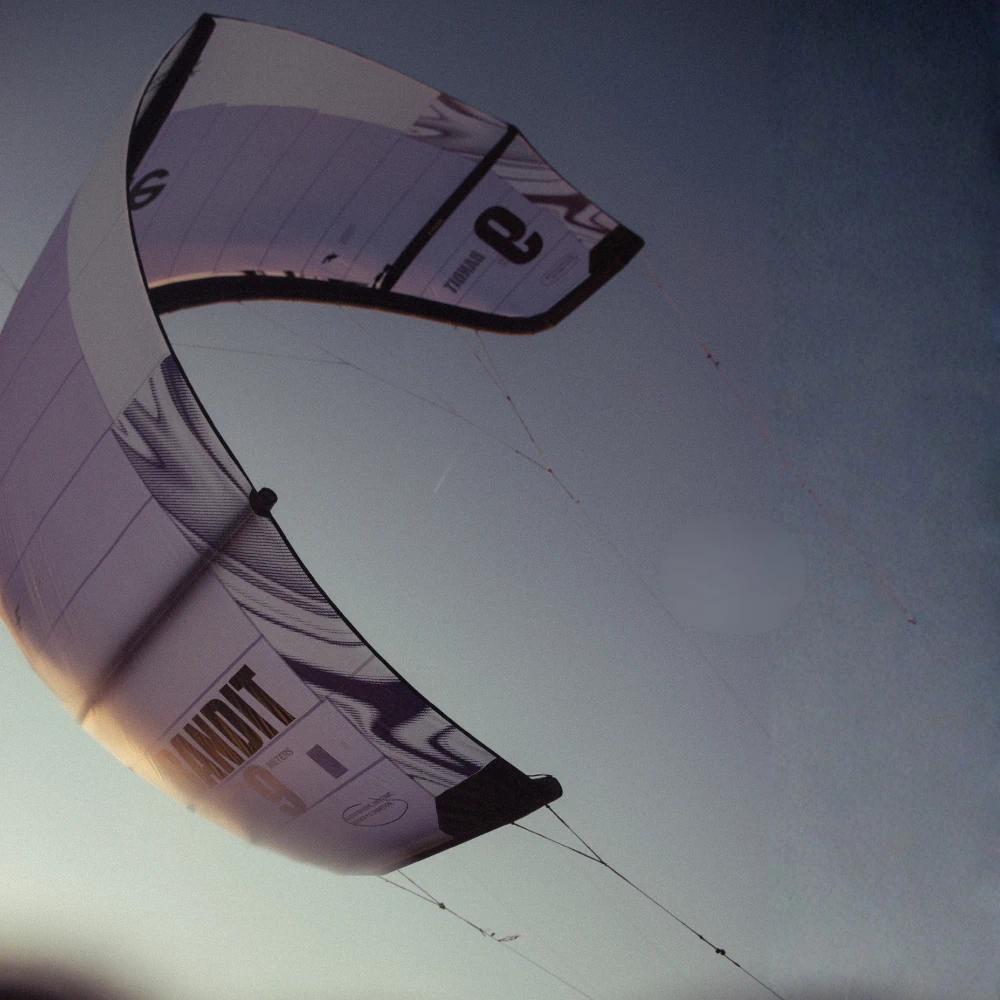
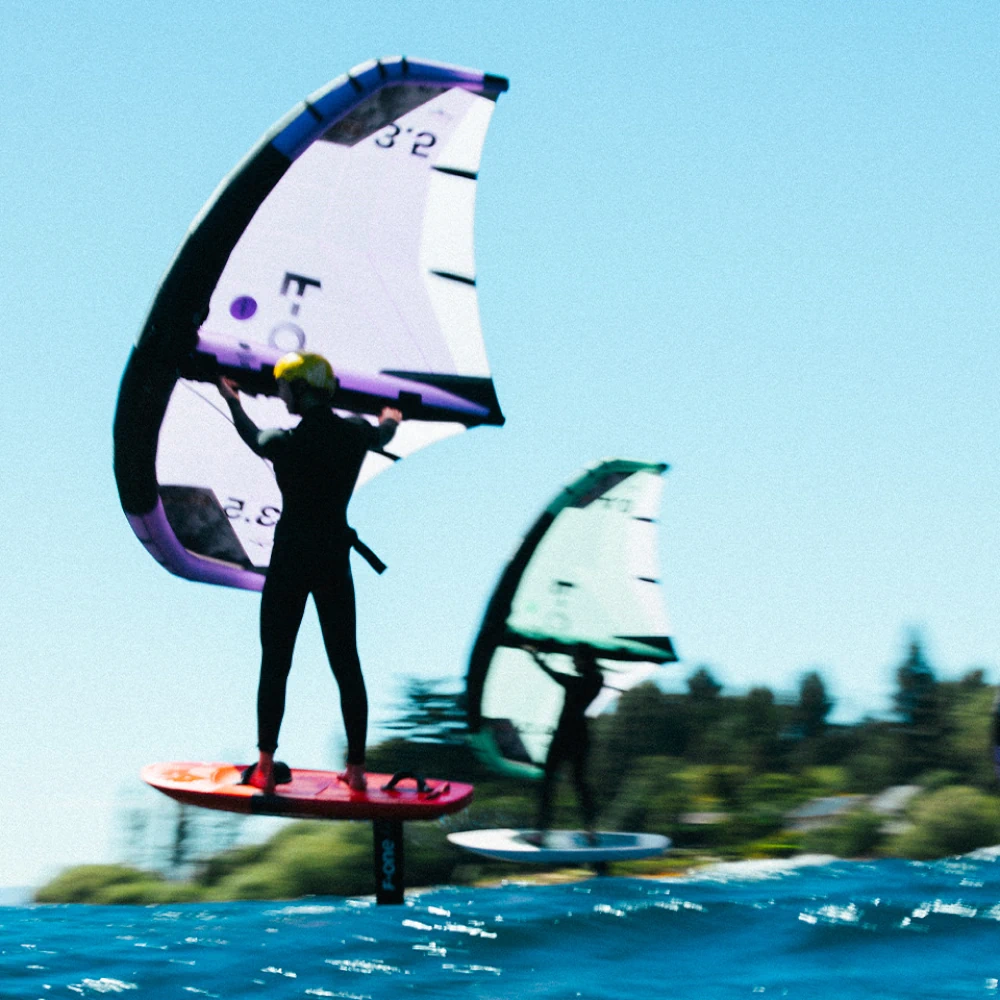
This is where choosing a wetsuit for Cape Town gets slightly more complicated.
If you’re surfing, you’re spending plenty of time in the water, but you’re also spending periods sitting or lying on your board.
If you’re kitesurfing or wing foiling, you’re exposed to the wind for almost your entire session.
And Cape Town has plenty of wind.
The South-Easter can make a relatively mild day feel considerably colder once you’re wet and moving through the air at speed.
For this reason, we’d generally recommend going slightly warmer for wind-powered watersports.
If you’re kitesurfing regularly on the Atlantic side, we’d take a good-quality 4/3 mm over a 3/2 mm.
Is a 4/3 mm Wetsuit the Best All-Round Wetsuit for Cape Town?
If you’re only going to buy one wetsuit, we’d say yes.
A good 4/3 mm is probably the most versatile option for someone who wants to enjoy Cape Town’s waters throughout the year.
It’s warm enough for the colder Atlantic conditions but still flexible enough for:
- Kitesurfing
- Wing foiling
- Surfing
- SUP
- General watersports
You can always make a 4/3 mm warmer with boots, gloves or a hood when conditions get particularly cold.
It’s much harder to make a 3/2 mm warmer once you’re already freezing.
What About Wetsuit Boots, Gloves and Hoods?
Your wetsuit isn’t the only thing to consider.
For colder Atlantic sessions, 3 mm boots can make a big difference, particularly in winter.
If your hands get cold easily, consider 2–3 mm gloves.
A hood isn’t essential for everyone, but it’s worth considering for long winter sessions or if you’re particularly sensitive to the cold.
The good news is that you don’t necessarily need all of these accessories all year round.
Don’t Forget About Wetsuit Fit
Thickness isn’t everything.
A well-fitting 3/2 mm wetsuit can be warmer than a poorly fitting 4/3 mm.
Your wetsuit should be snug without restricting your movement. There shouldn’t be large gaps around your neck, wrists or ankles where water can constantly flush through the suit.
This is particularly important for kitesurfing and wing foiling, where you need plenty of flexibility through the shoulders and upper body.
If you’re between sizes, we’d always recommend trying the suit on rather than simply choosing based on your normal clothing size.
Should I Buy a 3/2 and a 4/3?
If you’re in the water regularly, having two wetsuits makes a lot of sense in Cape Town.
A 3/2 mm and a 4/3 mm give you plenty of flexibility throughout the year.
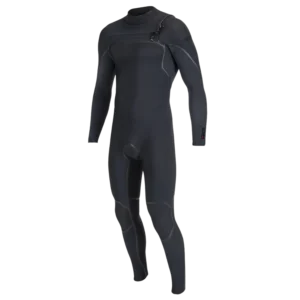
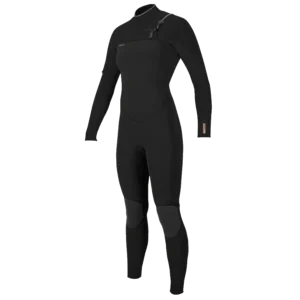
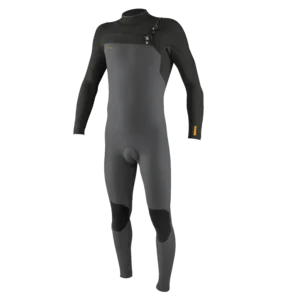
3/2 mm Wetsuits
Your lighter suit for:
- Summer
- Warmer False Bay sessions
- Warmer days
- Maximum flexibility
-
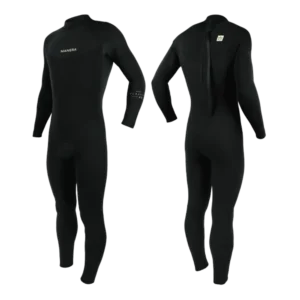
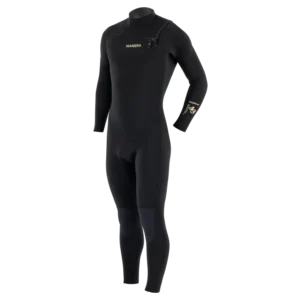
 Manera Seafarer Mens 3/2 WetsuitR6,195.00
 -
O’Neill Hyperfreak Fire 3/2 WetsuitR8,295.00
-
O’Neill Womens Hyperfreak 3/2+ Chest Zip WetsuitR5,995.00
-
O’Neill Hyperfreak 3/2+ WetsuitR6,295.00
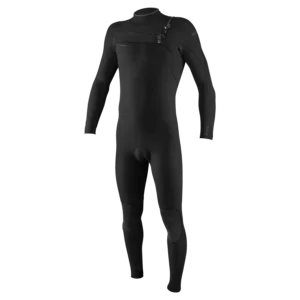
4/3 mm Wetsuits
Your warmer suit for:
- Atlantic sessions
- Winter
- Early morning sessions
- Longer sessions
- Windy days
- When you feel the cold
-
O’Neill Hyperfreak Wind 4/3+ WetsuitR7,995.00
-
Manera Classic Mens 4/3 BZ WetsuitR4,995.00
-
Manera Seafarer Mens 4/3 WetsuitR6,595.00
-
O’Neill Hyperfreak Fire 4/3 WetsuitR8,595.00
If you’re only buying one, however, we’d stick with the 4/3 mm.
So, What’s the Best Wetsuit for Cape Town?
It really comes down to where you’re going to use it.
Surfing or kitesurfing on the Atlantic?
4/3 mm is the best all-round option.
Surfing or watersports in False Bay during summer?
3/2 mm should be ideal for most people.
Riding throughout the Cape Town winter?
4/3 mm, with a 5/4 mm worth considering if you feel the cold or spend long sessions on the Atlantic.
Only buying one wetsuit?
Get a 4/3 mm.
It’s the most versatile choice for Cape Town and will give you the flexibility to explore both sides of the peninsula without needing a different suit for every session.
Cape Town Wetsuit Cheat Sheet
Atlantic – Summer: 3/2 or 4/3 mm
Atlantic – Winter: 4/3 or 5/4 mm
False Bay – Summer: 3/2 mm
False Bay – Winter: 4/3 mm
One wetsuit for everything: 4/3 mm
And remember, don’t choose your wetsuit based on the air temperature.
That beautiful 25°C Cape Town summer day doesn’t mean the Atlantic is warm.
Check the water temperature, consider the wind and think about how long you’ll be spending in the water.
If you’re still unsure, pop into Watersports Warehouse, Otherwise give us a call, drop us an email tell us where you’re riding, what you’re riding and when you normally get on the water, and we’ll help you find the right wetsuit for Cape Town. Also remember to give us a follow on Instagram and Facebook for regular updates
Related guide
Not sure how wetsuit thickness actually works? Take a look at our Wetsuit Thickness and Water Temperature Guide for a more detailed breakdown of wetsuit thickness by water temperature and watersport.
Frequently Asked Questions

What thickness wetsuit do I need for Cape Town?
For most Cape Town watersports, a 4/3 mm is the best all-round choice. A 3/2 mm works well for warmer summer and False Bay sessions, while a 5/4 mm can be useful for colder Atlantic sessions.
Is False Bay warmer than the Atlantic in Cape Town?
Yes. False Bay is generally warmer, particularly during summer. The Atlantic side is strongly affected by the Benguela Current and wind-driven upwelling.
What wetsuit do I need for kitesurfing in Cape Town?
A 4/3 mm is a good all-round choice for kitesurfing in Cape Town, particularly on the Atlantic side. Wind exposure can make you feel colder than the water temperature alone would suggest.
Is a 3/2 mm wetsuit warm enough for Cape Town?
It can be, particularly during summer and when riding in False Bay. For regular Atlantic sessions or winter riding, we’d recommend moving up to a 4/3 mm.
Do I need a wetsuit in Cape Town in summer?
For most people doing watersports, yes. Even when the air temperature is warm, Cape Town’s ocean can remain cold, particularly on the Atlantic side.